Waterproofing Basements in Older Homes
People seeking waterproofing basements in older homes aim to prevent leaks and damage, and local contractors can provide expert solutions to keep basements dry and protected.
Homeowners with older properties often face unique challenges when it comes to maintaining a dry and stable basement environment. If your older home is experiencing moisture issues, water seepage, or signs of dampness, you’re in the right place to explore practical solutions. Understanding the importance of proper waterproofing can help protect the structural integrity of the home and prevent issues like mold growth or wood rot. Local contractors specializing in basement waterproofing services have the experience and tools to address these concerns effectively, helping you preserve the value and safety of your property.
Exploring options for waterproofing basements in older homes is a smart step for property owners looking to safeguard their investment. Whether the goal is to prevent future water intrusion or to remedy existing moisture problems, working with experienced service providers can make a significant difference. Keep reading to learn more about the types of waterproofing solutions available and how local experts can assist in creating a dry, stable basement environment tailored to the needs of older homes.
- Waterproofing basements in older homes - homeowners noticing moisture or water intrusion may seek local contractors experienced in addressing the unique challenges of aging foundations.
- Waterproofing basements in older homes - when existing drainage systems are failing or deteriorating, local service providers can evaluate and implement effective waterproofing solutions.
- Waterproofing basements in older homes - structural issues like cracks or settling can lead to water problems, prompting homeowners to connect with local pros skilled in foundation sealing.
- Waterproofing basements in older homes - after renovations or remodeling, property owners might need additional waterproofing to prevent future water damage, which local contractors can provide.
- Waterproofing basements in older homes - signs of mold or musty odors often lead homeowners to seek out local experts who specialize in basement waterproofing for older structures.
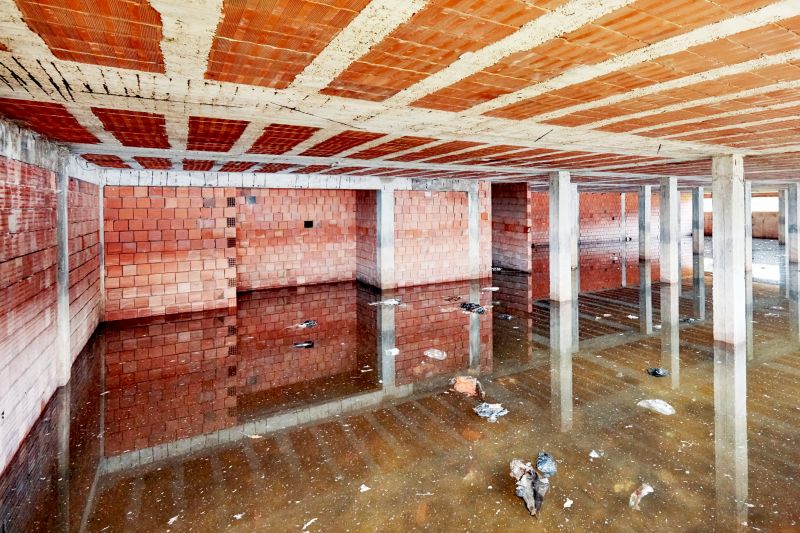
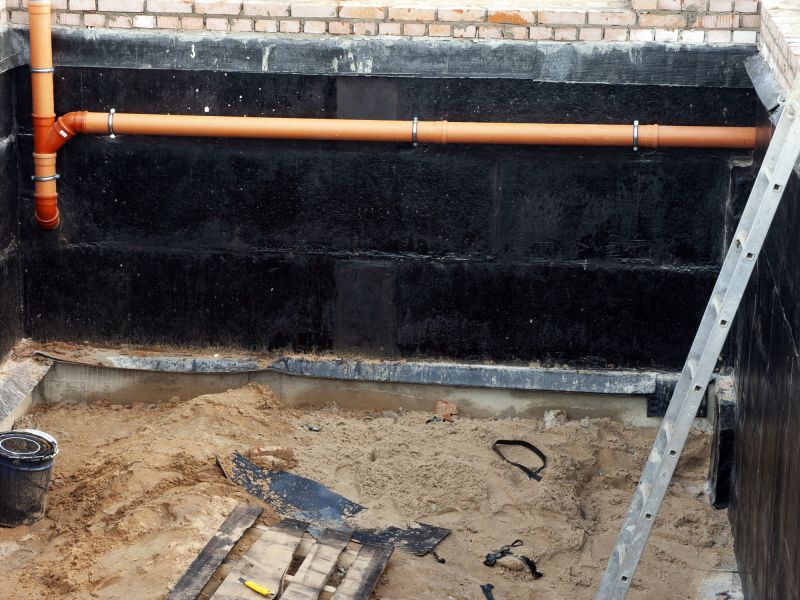
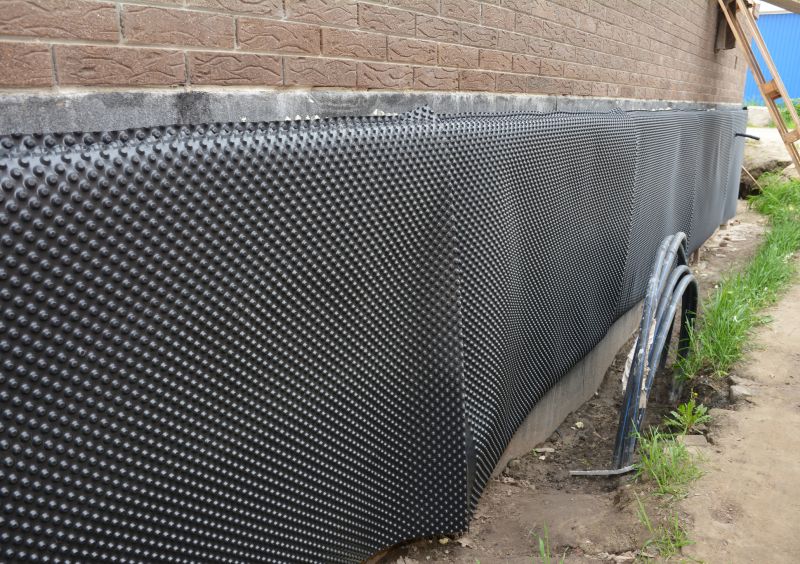
When searching for information about waterproofing basements in older homes, homeowners often want to understand how to prevent moisture problems that have developed over time. Many are concerned about water seeping through foundation walls, floors, or cracks, especially since older properties may not have been built with modern waterproofing methods. These searches typically stem from experiences with dampness, mold, or flooding in the basement, prompting homeowners to explore solutions that can protect their investment and improve the space’s usability. The goal is often to find effective, long-lasting methods to keep basements dry, which can involve a variety of approaches tailored to the specific needs of older structures.
The issues related to waterproofing basements in older homes are diverse. Common problems include foundation cracks, poor drainage around the property, or outdated construction techniques that make the basement more vulnerable to water intrusion. Many plans involve installing or upgrading drainage systems, applying sealants, or adding interior or exterior waterproof barriers. These projects are often part of larger efforts to improve basement comfort, prevent structural damage, or prepare the space for finishing or storage. Homeowners may also be considering future renovations, making waterproofing an essential step to ensure the basement remains dry and usable over time.
Properties that typically come up in discussions about waterproofing older homes tend to be those built several decades ago, often with less advanced foundation materials or construction practices. These homes may have experienced ongoing moisture issues or visible signs of water damage, such as efflorescence or peeling paint. Many of these properties are located in areas with high water tables, heavy rainfall, or poor drainage conditions, which exacerbate basement moisture problems. Whether it's a vintage single-family home, a historic property, or a house that has seen years of wear, these structures often require specialized attention to address their unique waterproofing needs.
Local basement waterproofing service providers play a key role in helping homeowners address these challenges. They bring experience in assessing the specific conditions of older homes and recommending suitable solutions. These professionals often perform thorough inspections to identify vulnerabilities and then implement tailored waterproofing strategies-such as sealing cracks, installing sump pumps, or applying exterior barriers-that fit the property's needs. Connecting with experienced local contractors makes it easier for homeowners to find practical, effective options for keeping basements dry and preserving the integrity of their older homes.
Foundation Repair - foundation repair projects often involve assessing and addressing structural issues similar to waterproofing in older homes, requiring expertise in soil conditions and moisture control.
Drainage System Installation - installing effective drainage systems is closely related to waterproofing basements, as proper water diversion helps prevent basement leaks and moisture problems.
Basement Finishing - finishing basements in older homes often involves waterproofing measures to ensure a dry, durable space before interior upgrades begin.
Crawl Space Encapsulation - encapsulation techniques focus on moisture barriers and sealing, skills that are directly applicable to waterproofing basements in older structures.
Masonry Repair - repairing and sealing masonry walls in older homes is a key component of preventing water intrusion and supporting waterproofing efforts.
Water Damage Restoration - restoring areas affected by water in older homes requires understanding of moisture barriers and waterproofing strategies to prevent future issues.
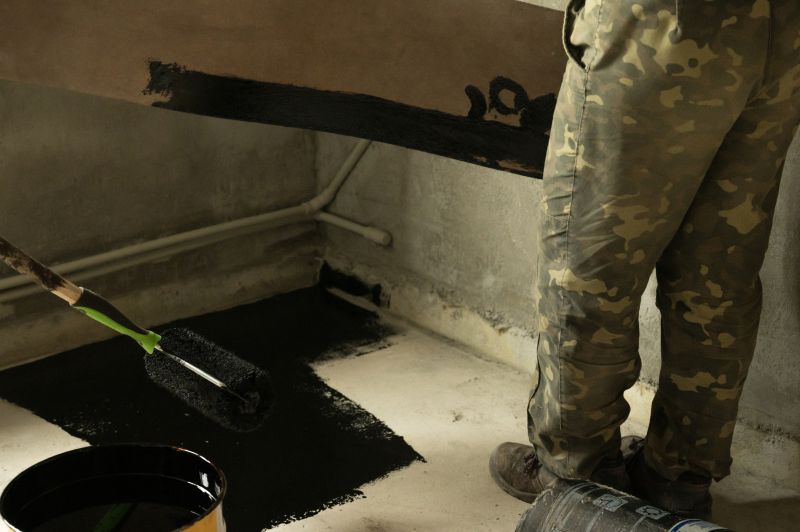
When evaluating contractors for waterproofing basements in older homes, experience with similar projects can be a key factor. Older homes often present unique challenges, such as outdated foundations, existing moisture issues, or structural considerations that require tailored solutions. Service providers with a history of working on older properties are more likely to understand these nuances and recommend effective, long-lasting waterproofing methods. It’s beneficial to inquire about their past projects involving homes with comparable age and construction features, as this can provide insight into their familiarity with the specific demands of waterproofing in such environments.
Clear, written expectations are essential when choosing a local contractor for basement waterproofing. A detailed scope of work helps ensure that both parties understand what will be done, what materials will be used, and what the anticipated results are. This transparency can prevent misunderstandings and set realistic outcomes for the project. Homeowners should seek service providers who can articulate their approach clearly and provide written descriptions of the work, including any preparatory steps, waterproofing techniques, and post-installation considerations. Having these expectations documented can serve as a reference throughout the project and promote accountability.
Reputable references and effective communication are vital indicators of a trustworthy basement waterproofing contractor. Speaking with previous clients or reviewing references can reveal how well a service provider has performed on similar projects and whether their work has stood the test of time. Good communication from the outset-prompt responses, clear explanations, and willingness to address questions-can also signal a contractor’s professionalism and dedication to customer satisfaction. These qualities help ensure that homeowners feel confident in their choice and that the waterproofing process proceeds smoothly, ultimately protecting the home’s foundation and interior spaces.
Property owners often search for waterproofing basements in older homes when they are planning practical projects around their homes and businesses. Local pros provide Basement Waterproofing services for everyday jobs and straightforward project options.
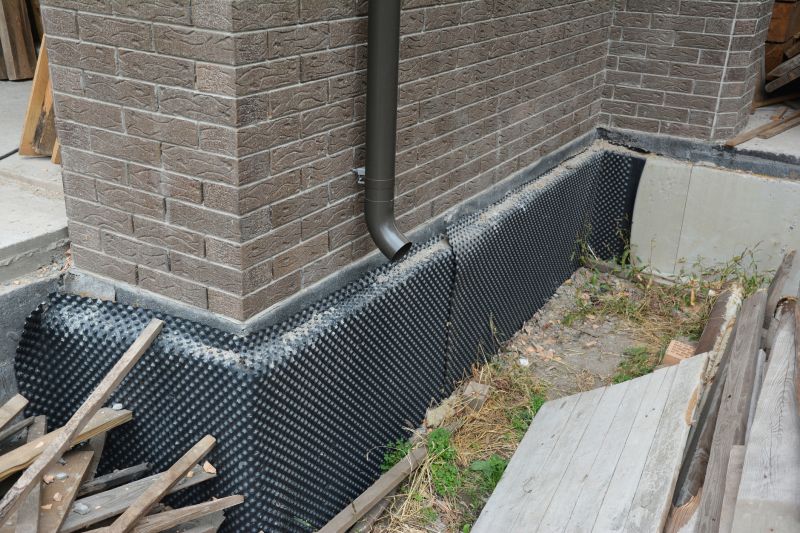
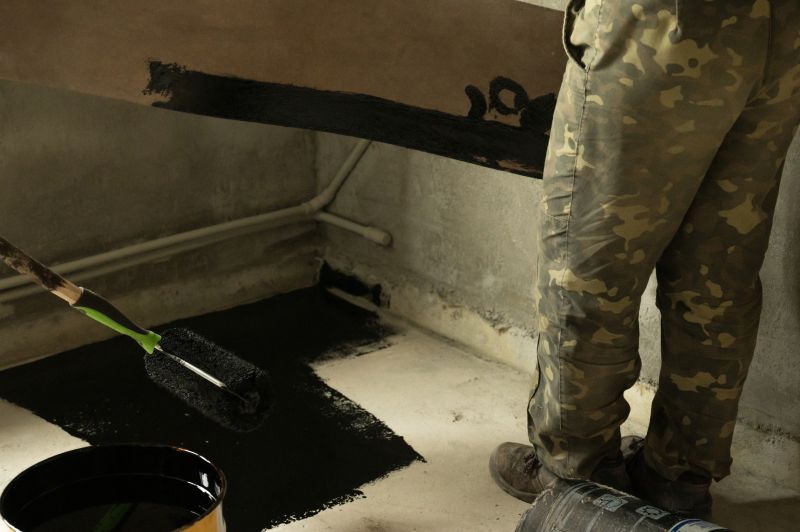
Property owners exploring waterproofing basements in older homes often notice signs of moisture, such as damp walls, mold growth, or a musty smell, especially after heavy rains or during seasonal changes. These common issues can lead to structural concerns or damage to belongings stored in the basement. Many homeowners seek out local contractors who specialize in basement waterproofing to address these problems effectively, ensuring their homes stay dry and protected over time.
In older homes, foundation cracks or aging exterior walls can contribute to water infiltration, making professional waterproofing services a practical solution. Local service providers offer a range of options to help prevent water from seeping in, whether through interior sealants, exterior drainage improvements, or foundation repairs. Property owners considering waterproofing basements in older homes often find that connecting with experienced local contractors can provide tailored solutions that fit their specific needs and help safeguard their property.
What are common methods used for waterproofing basements in older homes? Local contractors often use techniques such as interior sealants, exterior drainage systems, and sump pumps to prevent water intrusion in older homes' basements.
How can I tell if my older home's basement needs waterproofing? Signs like persistent dampness, mold growth, efflorescence, or water stains indicate that waterproofing services may be necessary to protect the basement.
Are there specific challenges when waterproofing basements in older homes? Yes, older homes may have existing foundation issues, outdated drainage, or deteriorated materials that require specialized approaches from experienced service providers.
What types of waterproofing solutions do local contractors typically recommend for older homes? They often suggest interior waterproofing, exterior excavation, and drainage improvements tailored to the home's age and condition.
Can waterproofing improve the overall condition of an older home's basement? Yes, proper waterproofing can help reduce moisture problems, prevent structural damage, and create a healthier environment inside the basement.
Assessing basement moisture issues - property owners can identify signs of water intrusion and work with local contractors to develop effective waterproofing strategies.
Selecting appropriate waterproofing systems - homeowners can explore options like interior sealants or exterior barriers with local service providers to suit their older home's needs.
Preparing the basement for waterproofing - clearing clutter and fixing minor cracks can help ensure a smooth installation process with local contractors handling the job.
Maintaining waterproofing solutions - ongoing inspections and minor repairs by local pros can help preserve the effectiveness of basement waterproofing in older homes.
If you are thinking about waterproofing basements in older homes for a property, this guide is meant to help you understand this topic, the typical project types, and how different options might fit your plans.
When you are ready, you can use the quote form on this page to share a few details about your project. From there, local pros can review the basics and follow up with options that match what you have in mind.